Last Morning in Bed-Stuy — Hancock Street Closer
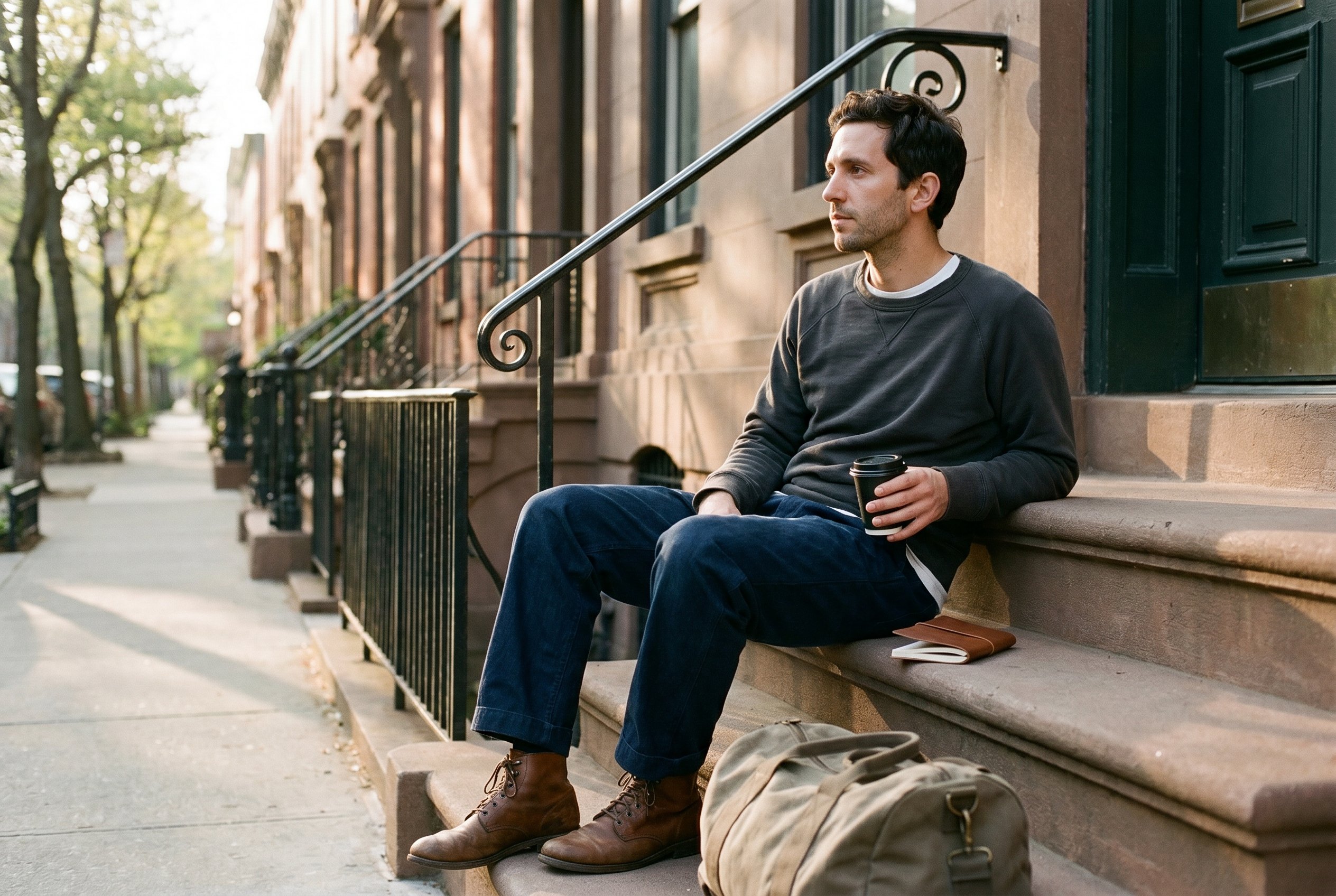
Saturday, 07:40, the Hancock Street block I rent on, one last walk before the cab to JFK at five.
The Bajan-American woman two doors down was on the stoop with her coffee mug at the same angle as the morning I arrived four days ago — same hand, same grip, same minute of the morning. The corner deli on Tompkins had the same Caribbean-American owner working the bacon-egg-and-cheese line at the back, the same Dominican kid running the register, the same Puerto-Rican-American mailman picking up the Saturday parcels for the route. The block has not moved in four days, which is the point — Bed-Stuy is the only neighborhood I walked this week where the morning-photograph from Day 1 and the morning-photograph from Day 4 would print as the same sheet. That is what Generation-Substrate looks like at street-level.
A West-Indian-American block-elder I have been nodding at since Wednesday finally said the second sentence. Three words: "Going somewhere, brother?" I said São Paulo. He nodded once, the same nod every morning since Wednesday, and went back to the coffee. That is the goodbye the block gives.
NYC-Phase Closer — Three Dominant Observation Classes
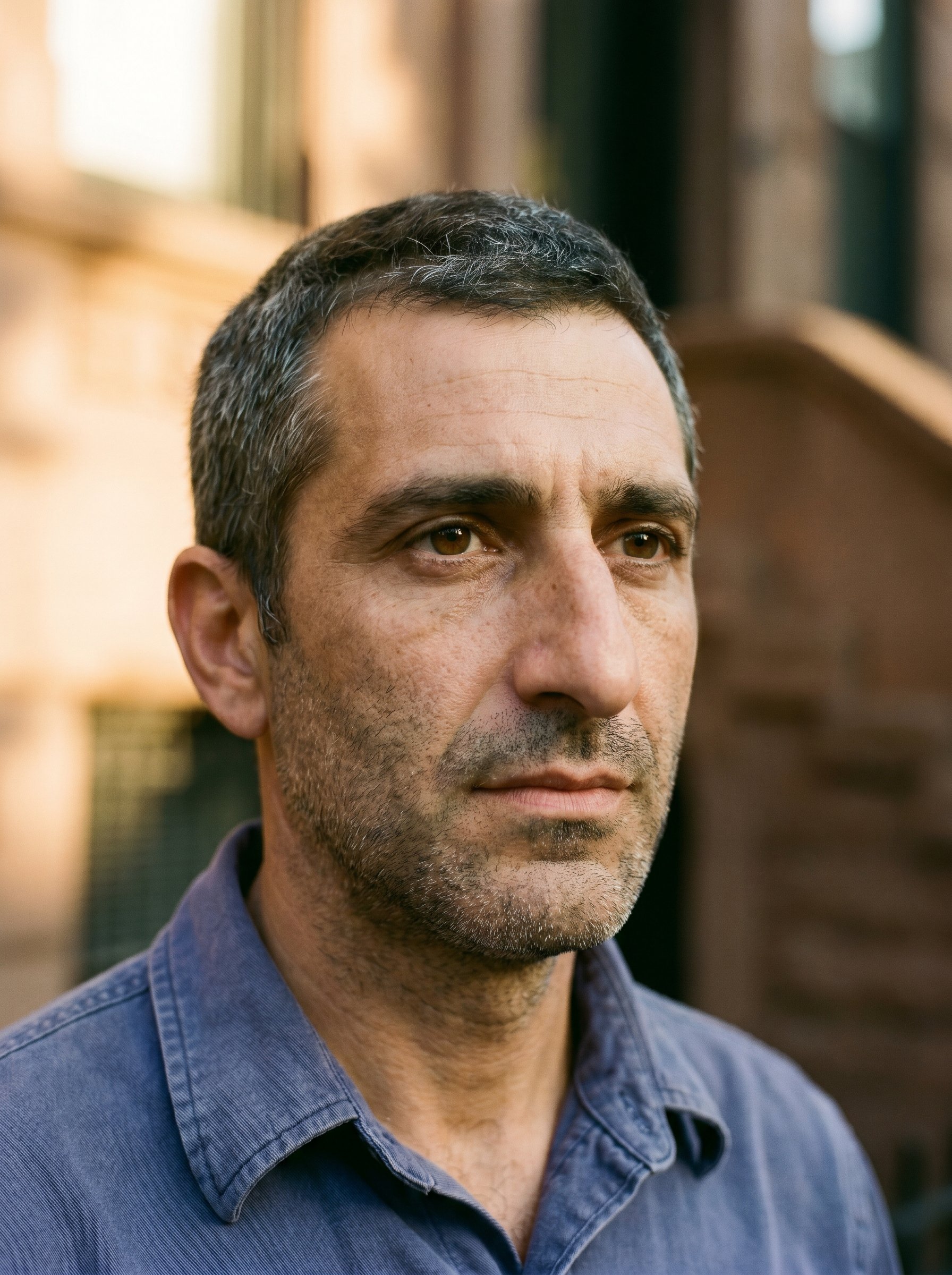
This was a three-quartier compressed phase (Bed-Stuy → LES → Williamsburg-doubled) inside one calendar-week. Three observation-classes carried the catalog-output across all four sessions:
1. Generation-Substrate / Block-Continuity Bodies. The class that ran through every quartier: subjects whose families have held the same block for two to four generations, whose body-economy (shoulder-load, wrist-angle, walking-cadence) is inherited from the trade and the street they grew up on. Bed-Stuy brownstone-craftsman lineage (NYC-2026-Q2-004), Williamsburg-South auto-glass-installer in his uncle's shop since 1996 (NYC-2026-Q2-047), Satmar third-generation bookkeeper on Lee Avenue (048), Mexican-Poblano panadería counter (049), Trinidadian-Chinese postal carrier on Bedford-Broadway since 2009 (050). Five subjects across the phase. This class is the catalog's gravity — the bodies the block holds without being seen by press.
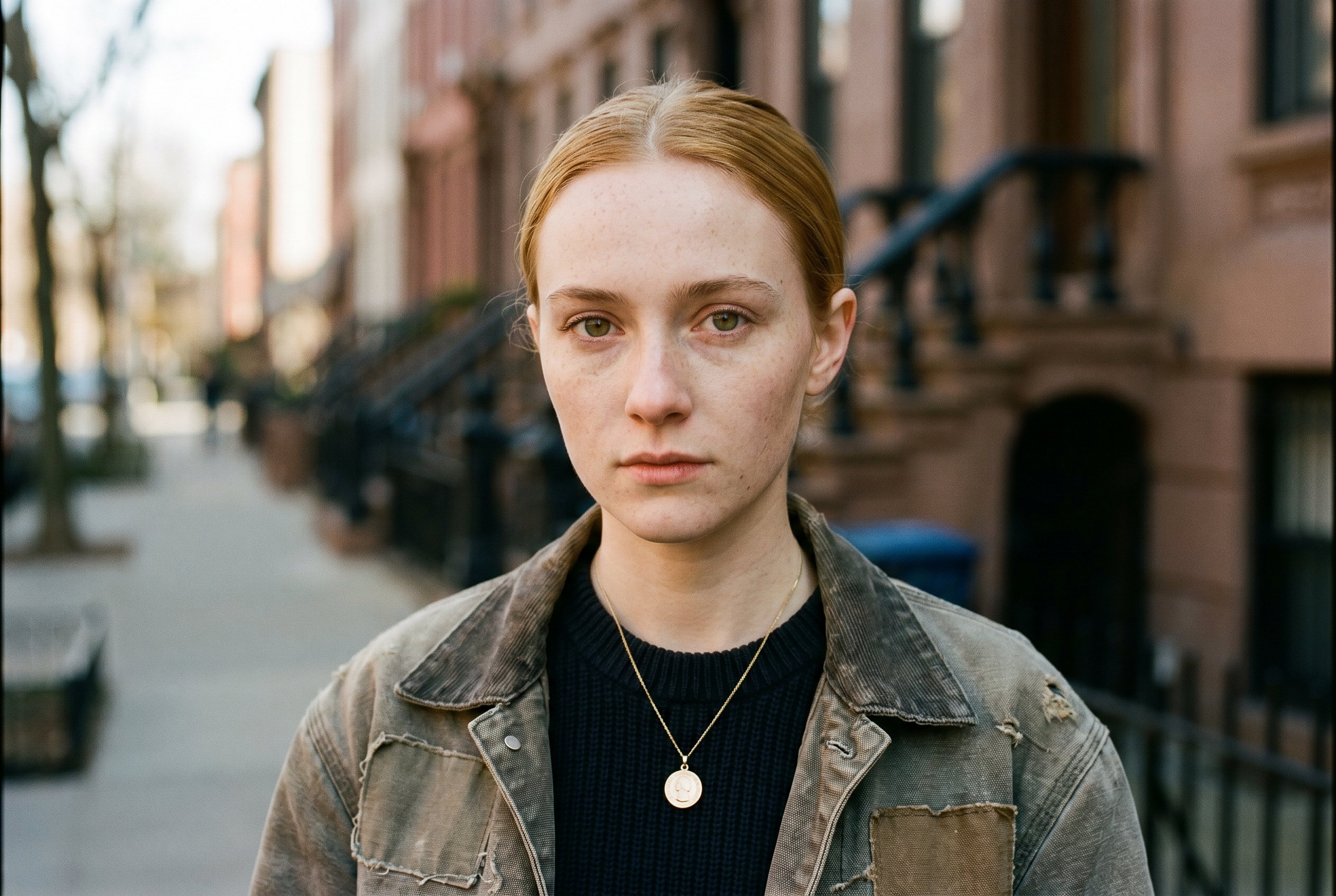
2. Diaspora-Second-Generation Working-Edge. Subjects whose parents arrived, who themselves work the trade with a fluent English-and-mother-tongue switch, who carry the household-language quietly into the working-block. Brooklyn-Jazz-Revival horn-section second-gen (001), Nostrand-corridor producer (002), Polish-Greenpoint third-generation goldsmith-apprentice (046). The class that the catalog's "new-face" pipeline misses because it does not read as exotic enough — but reads as reference-deep on the third look.
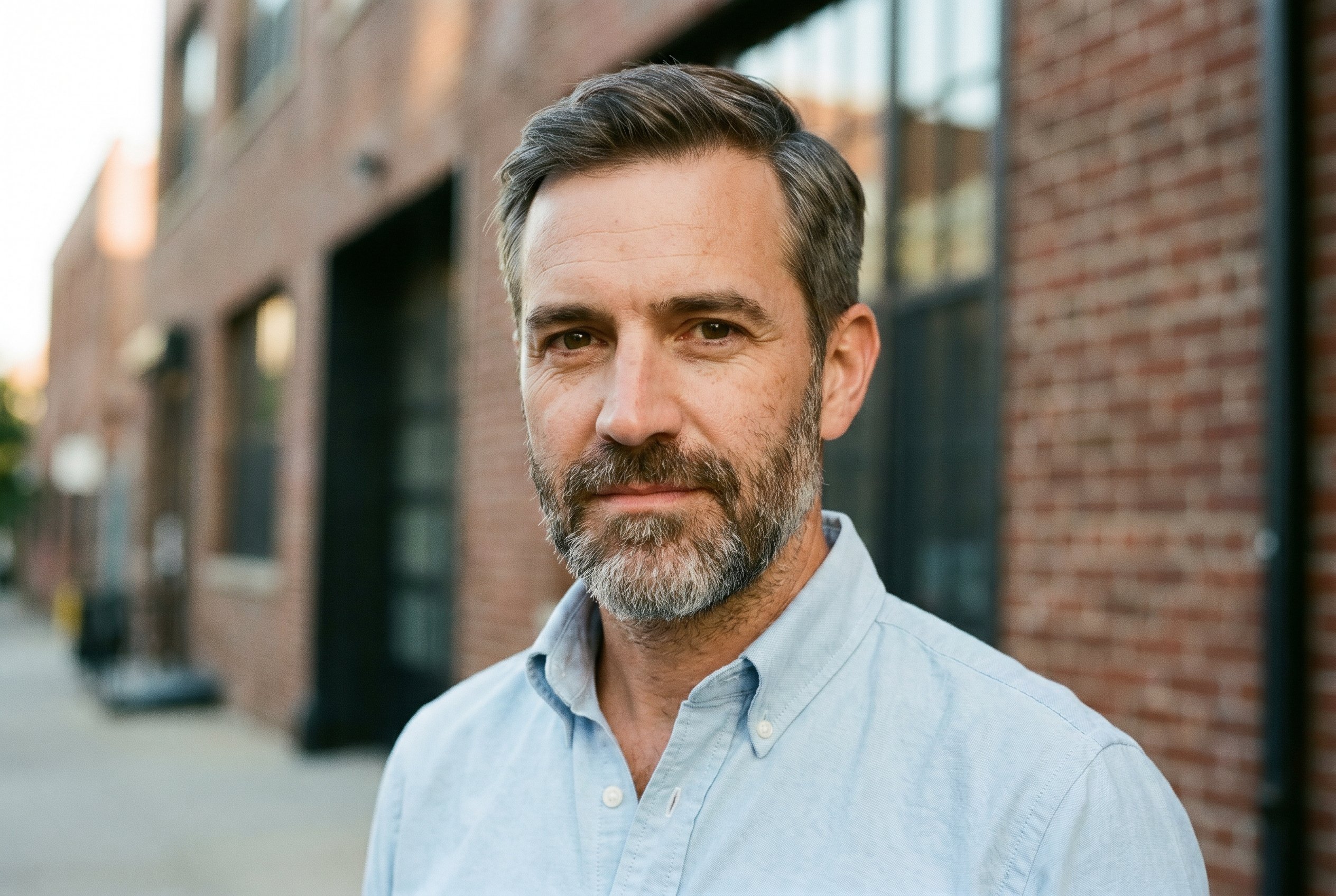
3. Post-Hipster First-Cohort Generation-Fold. Subjects who arrived in Williamsburg 2007-2012 as the wave, who now have teenage children inheriting a substrate the parents did not have growing up. The father (051 David Lansing) plus the daughter (052 Emma Lansing) pair as the only formal Generation-Fold pair in this phase — a methodological probe whose catalog-acceptance will determine whether the pair-frame becomes a method-tool or stays a one-off.
LES-substrate (subjects 013-027 plus the 028-033 Tribeca-residue) sits across class 2 and a fourth pre-emergent class (post-AbEx second-generation gallery-substrate) that I would name on a return-trip with more bench-hours.
Day-1 Hypothesis Check (NYC Entry 2026-05-20, Bed-Stuy)
Entry hypothesis from 2026-05-20: Bed-Stuy carries four layers in one block — (1) Caribbean-American plus African-American brownstone-original-owners, (2) Brooklyn-Jazz-Revival musicians, (3) Block-Continuity service-trade, (4) Post-2015 creative-class new-arrivals. Reference-depth sits in the overlap-rings, not in the categories.
Held — partially. The four layers were in fact present. Setcard 003 (Bed-Stuy block-continuity service-trade plus fine-art double-trace) sat exactly in overlap-ring (3) plus adjacent (1) and anchored the vocabulary-piece "reference-depth as layer-overlap" as a catalog entry. The Bajan-American brownstone line (004) held layer (1) without overlap. Layer (4) I consciously skipped in the Bed-Stuy field-walk, because the first four setcards were meant to show the rare overlaps, not the easy class.
What the hypothesis did NOT foresee: the Generation-Fold axis (Williamsburg post-hipster parents plus inheritance-daughters) as its own observation methodology. That only became visible on the Williamsburg day (D3) and is the most important methodological extension of the NYC phase. The South-Fold axis (Williamsburg below the bridge, unmediated working-block) was also not in the Bed-Stuy hypothesis — it surfaced as a Williamsburg-South specificity, but belongs to the same Generation-Substrate class (class 1 above).
Net: the hypothesis held at about seventy percent. The rest was neighborhood-specific discovery that feeds into the master-class list above. The Bed-Stuy four-layer model remains usable as a city-entry tool for other American multi-diaspora quartiers (Crown-Heights, Harlem, Roxbury-Boston). Not directly transferable to São Paulo — different historical wave-structure, different substrate-stratification.
Field-book closes NYC-2026-Q2 with 52 profiles plus 2 STUDIO test-sheets plus 4 blog entries. Williamsburg vault-writeback into content/orte/ follows before boarding, otherwise the material sinks under the São Paulo wave.