Three Waves Down a Block — Casting the Lower East Side Spectrum
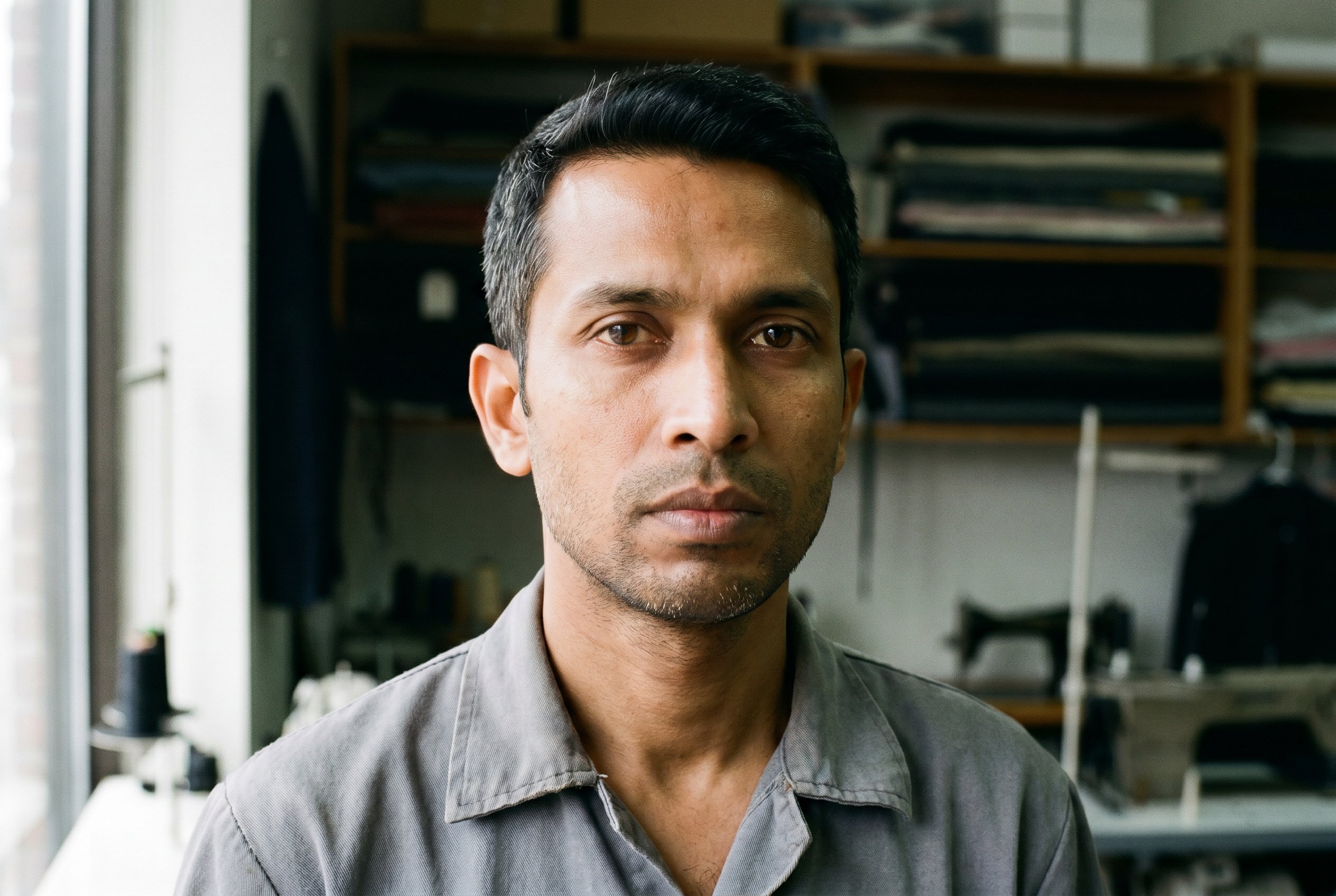
There is a method-mistake I almost made today and want to name before it gets quietly absorbed back into the practice. The mistake is this: you go to a neighborhood, you walk the block, you see whatever the block puts in front of you that morning, and you call what you see "the place." It is not the place. It is one fold of the place. Whatever the morning happens to surface — usually the loudest layer or the one you have a built-in eye for — gets cast as "Lower East Side" and the other six layers go unrecognized because they were not in the morning light.
The corrective is to spread the spectrum before walking. You sit down before the field-day and you write the matrix: which kinds of people live in this neighborhood, and where, and at what hour, and through which substrate of work or scene or care or memory. Craft. Subculture. Movement-and-memory. High-gloss. Night-economy. Built-infrastructure. Each row a layer, each column a corner of the block. Then you walk with all the rows in your eye, not just the one your reflex would pick. You go to the corners the matrix is asking about, not just the ones the foot wants to take you to.
The LES today opened in three waves, because three waves were what the matrix was missing.
The first wave was the craft-palimpsest layer. A second-generation Bangladeshi-American tailor still on Orchard Street working a 1960s Singer-treadle-converted-to-electric machine. A Jewish bakery counterman in his sixties on Eldridge with the third generation of the family at the table behind him. A Fujianese-Chinese-American gallery director on Henry Street running a contemporary-art space out of a former noodle-shop. A Puerto-Rican Loisaida abuela on Avenue C still on her stoop the way she has been since 1973. A second-generation Dominican-American barber-apprentice on Ludlow learning the chair from an older Cuban-American master. The thing that holds these five together is not ethnicity, it is the continuous-block-substrate — each person is doing the same kind of work the building was doing forty years ago. The palimpsest is in the body, not in the storefront.
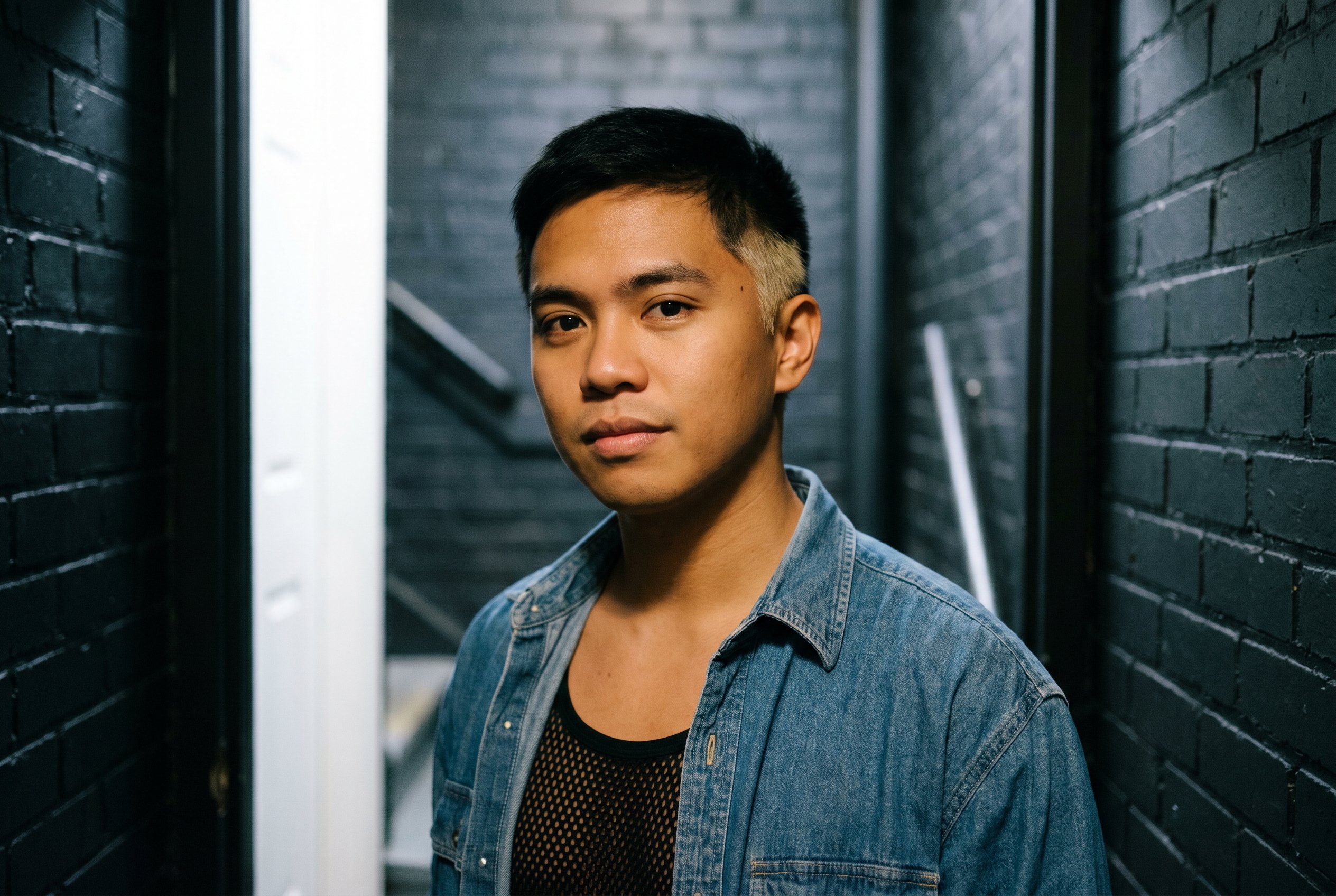
The second wave was the young-queer-scene layer. A queer Filipino-American DJ in his mid-twenties at a small basement club on Allen Street running a Soviet-disco-via-Manila-cassettes set. A queer-femme Korean-American chapbook-press editor on Eldridge folding chapbooks at her kitchen-table Riso. A transmasc non-binary Russian-Jewish-American vinyl-archivist in his late twenties at a Ridgewood vinyl-only bar with a Brighton-Beach grandfather's Soviet-jazz archive behind him. A Mexican-American skater running a Tompkins Square Sunday crew with an East-Harlem-Puebla taquería family-economy behind him. A queer non-binary Chinese-American comic-book artist in a Two-Bridges walk-up with the Manhattan-Bridge gusset in the window and a 280-page graphic novel on the desk. These five are the contemporary-second-gen-scene-body that the first wave's children grew up to become.
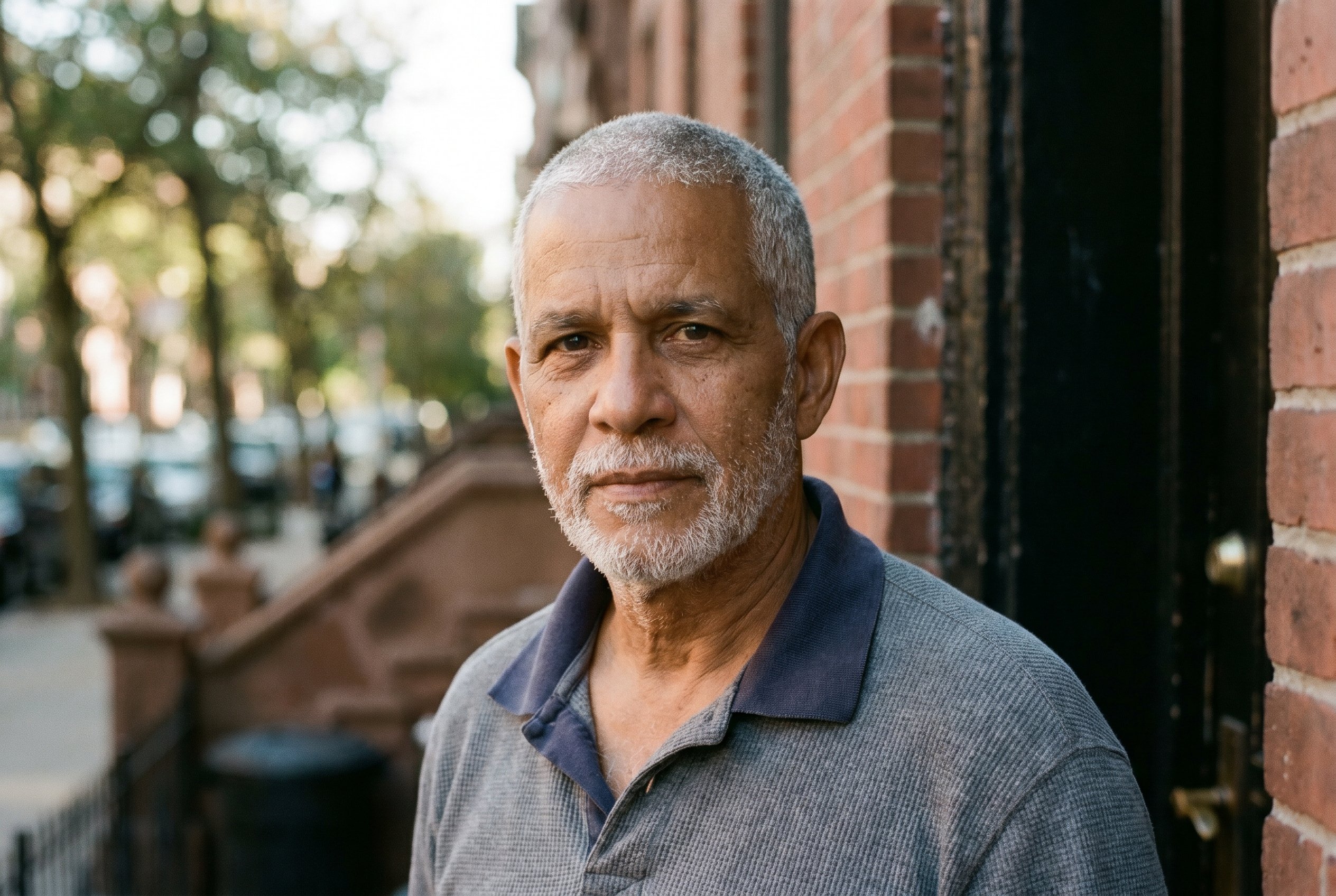
The third wave was the memory-and-movement-meets-high-gloss layer, and it is the one I had to be told to make. A queer-Latino Loisaida-born harm-reduction streetworker in his late sixties handing Narcan kits at the same Avenue B corner he has worked since 2009, having stood at ACT-UP's St-Patrick's-Cathedral action in December 1989. A Black trans woman performance-artist in her early thirties in the green-room of a Stonewall-line Christopher-Street cabaret with the Marsha-and-Sylvia archive in her spoken-word book and full Met-Gala-grade glamour on her face. A half-Japanese half-Chinese-American gallery curator at a Thursday-night Bowery opening in an oxblood Issey-Miyake pleated dress with a Manzanar-survivor grandmother in the maternal line. A Nigerian-American Yoruba-Bronx menswear designer at a 56-Henry-edge gallery courtyard in his own-label deep-aubergine three-piece. A Toishanese Chinatown second-generation tenant-organizer on Hester Street with her CAAAV clipboard and her grandmother's jade-ring still on the right middle-finger. Memory in three of the five bodies, gloss in three of the five bodies, and one body — the Black trans performer — holding both.
The thing I had to be reminded of before this third wave: the LES has the high-gloss-Bowery-gallery-opening layer too. The 56 Henry-and-Bridget-Donahue-and-Anton-Kern Thursday-night-vernissage corridor. The Met-Gala-adjacent gallery-program-director body. I had been seeing the LES as the craft-and-scene block and missing that it is also one of the four downtown art-world high-gloss corridors. The matrix had a column I had been leaving empty. Filling it changed the whole day's reading of the neighborhood.
The closing test of the spectrum-method is the catalog-to-campaign distance. The Black trans performer from the third wave — Imani Sterling, cast at her Friday-night cabaret residency last Saturday — sat for an editorial-glamour campaign today for a Parisian fragrance-maison expanding into a US-led AW26 launch. Eight hours at a Bushwick daylight studio, Paris-based hair-and-makeup, full crew, broadsheet and outdoor placement. The Paris creative-director watched her cabaret-set twice before saying yes. The thing that got her into the campaign was not the bones in the face — it was the rehearsal-stillness she brought from the green-room. The catalog-substrate carried directly into the studio. The face does not become the face on the shoot day. The face was the face on Saturday night on Christopher Street. The shoot just renders it.
This is the whole argument for the spectrum-method as a casting-practice. If you only ever cast the layer the morning surfaces, you will only ever deliver the surface. If you spread the matrix and walk the corners, the bodies that come back can hold a campaign because they are already holding something larger before you arrive. Three waves down a block, and the block is more visible at the end of it than it was at the start.
A day's catalog: fifteen Lower-East-Side setcards across three thematic waves, plus one campaign test-sheet at the close. Now I write this down and go home.