Setcard NYC-2026-Q2-006 — Mamadou Diop, Senegalese-American tailor
Catalog Brief
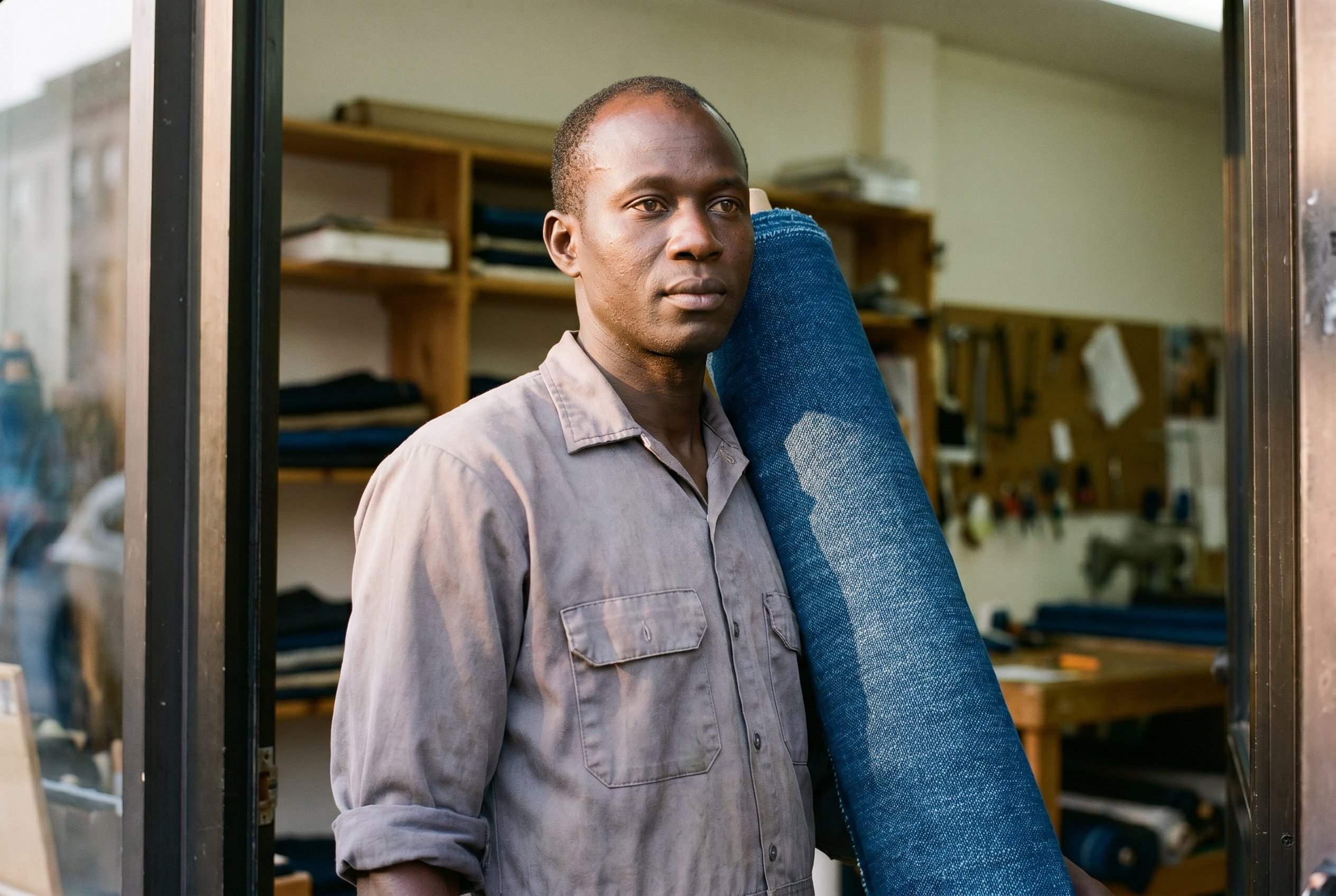
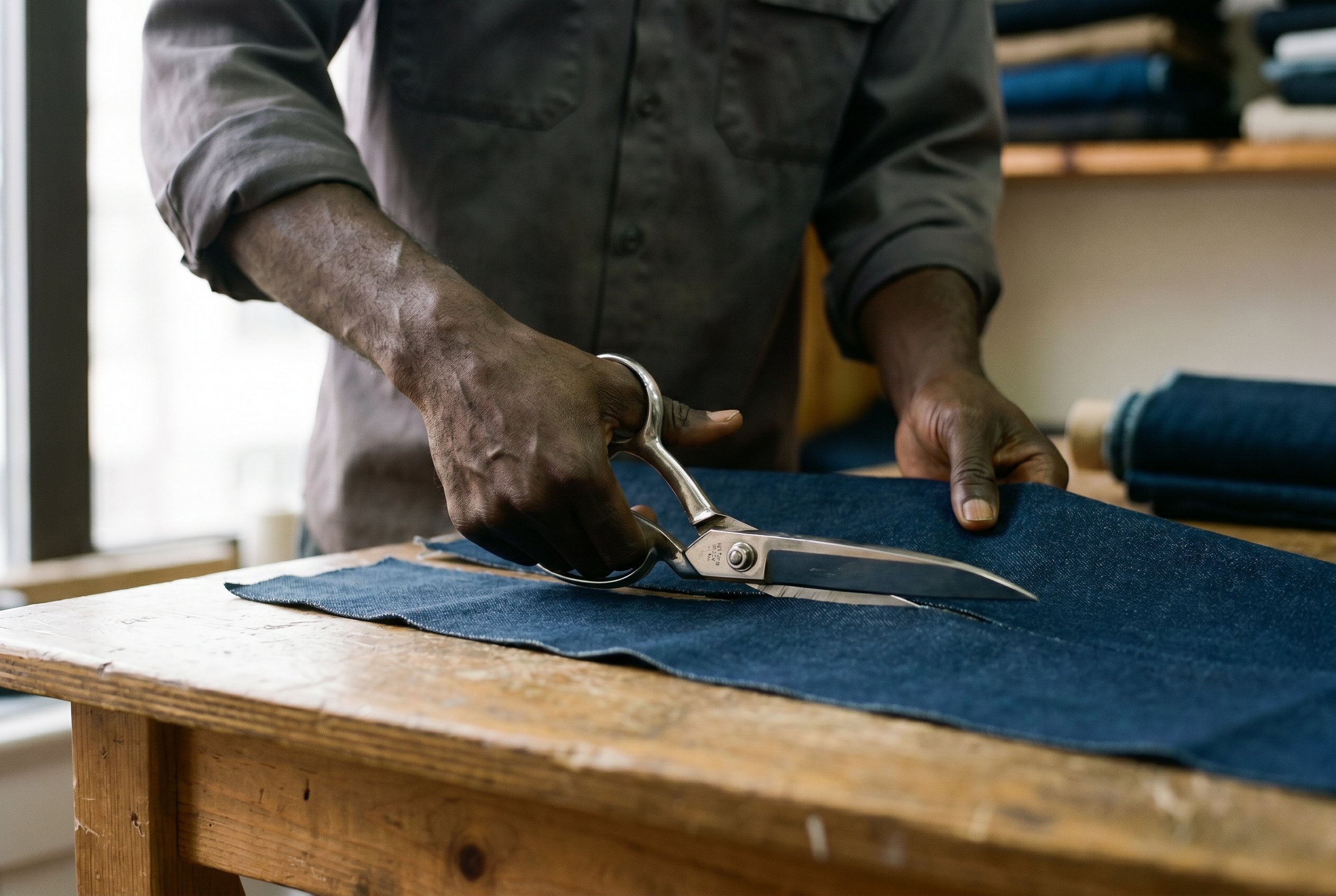
Catalog reader, saw someone on the Bedford-Avenue-and-Eastern-Parkway edge today, in the doorway of a small tailor shop sharing a building with a Caribbean phone-card store. 34, Senegalese-American first-generation, tall and narrow, high forehead, deep-set dark brown eyes, long tailor-hands with calluses on the right thumb and index from forty-hour weeks of scissor work. Indigo cotton bolt across his left shoulder, measuring tape over the right shoulder hanging loose. Said three words to a customer in Wolof, then switched to English for the price. Reference depth is there. Field-Book entry NYC-Q2-42. Proposal: shop-interior portrait at his cutting-table plus a doorway frame with bolt-of-fabric on the shoulder.
Story
Bedford Avenue near Eastern Parkway, the seam where Bed-Stuy starts to bleed into Crown Heights and the storefronts shift from brownstone-ground-floors to mixed-use Caribbean-and-West-African retail. The tailor shop has a faded indigo-and-cream awning that someone has retouched once and not again. He stepped out into the doorway with a bolt of mid-weight indigo cotton across his left shoulder, holding it level with the practiced posture of a man who has carried bolt-cloth for fifteen years. A customer came up, asked something in Wolof, he answered with three words in Wolof, then switched to English for the price quote. The hand-over was unceremonious, fabric exchanged, payment in cash, no receipt. He stood in the doorway for forty seconds after the customer left, looking down the avenue without focusing on anything in particular. Reference depth here is in the bolt-cloth posture, the bilingual code-switch at unbroken pace, and the long tailor-hands with the thumb-and-index calluses.
Biografie
Mamadou Diop, 34. Born Dakar, arrived in Brooklyn at 16 with his mother and three younger siblings. His father stayed in Dakar to run the family tailor shop in the Médina quartier, where Mamadou had already been apprenticed since he was eleven. Took the trade with him — first working as a fitter at a Manhattan menswear chain at 18, then as a sleeve-specialist for a Lower-East-Side bespoke shirtmaker for six years, and since 2021 running his own small shop on the Bedford-Avenue-and-Eastern-Parkway seam. The bolt-cloth on the shoulder is a posture from Dakar, not Brooklyn. Speaks Wolof at home (his mother lives upstairs from the shop, runs the cash register on Saturdays), French with the older Senegalese-American customers, English with everyone else. Married to a Haitian-American nurse he met at the Bedford-Avenue laundromat in 2019, two daughters under five. Reads Sembène Ousmane in French, listens to mbalax cassettes his cousin still mails from Dakar, doesn't drink. Has not been back to Senegal since 2019 — saving for the family trip in 2027.
Reference Depth Justification
Three worlds in one body: West-African Wolof diaspora (Senegalese-American first-generation, intact language plus a working tailor-trade brought from a Dakar lineage), service-trade material-craft on a long arc (fifteen-plus years of cloth-carrying, the calluses are the proof), and the Bed-Stuy-to-Crown-Heights seam-quartier which is its own micro-zone with different sociology than either Bed-Stuy core or Crown Heights core. The Mednick distance here is between West-African craft-lineage and contemporary Brooklyn diaspora-economy. Catalog-wise this is a subject that opens a category we have not had on file: Brooklyn tailor-shop first-generation craftsman, Wolof-speaking. Useful for material-trace briefs, indigo-and-cloth editorials, West-African-Brooklyn diaspora documentary, and any brief that needs hands shaped by a single craft over a single decade.
Catalog Category Routing
Primary: Brooklyn tailor-shop first-generation craftsman, Senegalese-American Wolof-speaker. Secondary: Material-trace hands, indigo-and-cloth editorial fit. Editorial fit: Material-craft editorial, West-African diaspora documentary, workwear brand briefs that need a tailor-figure, Brooklyn micro-quartier reportage (Bedford-Avenue Eastern-Parkway seam).
Suggested Next Step
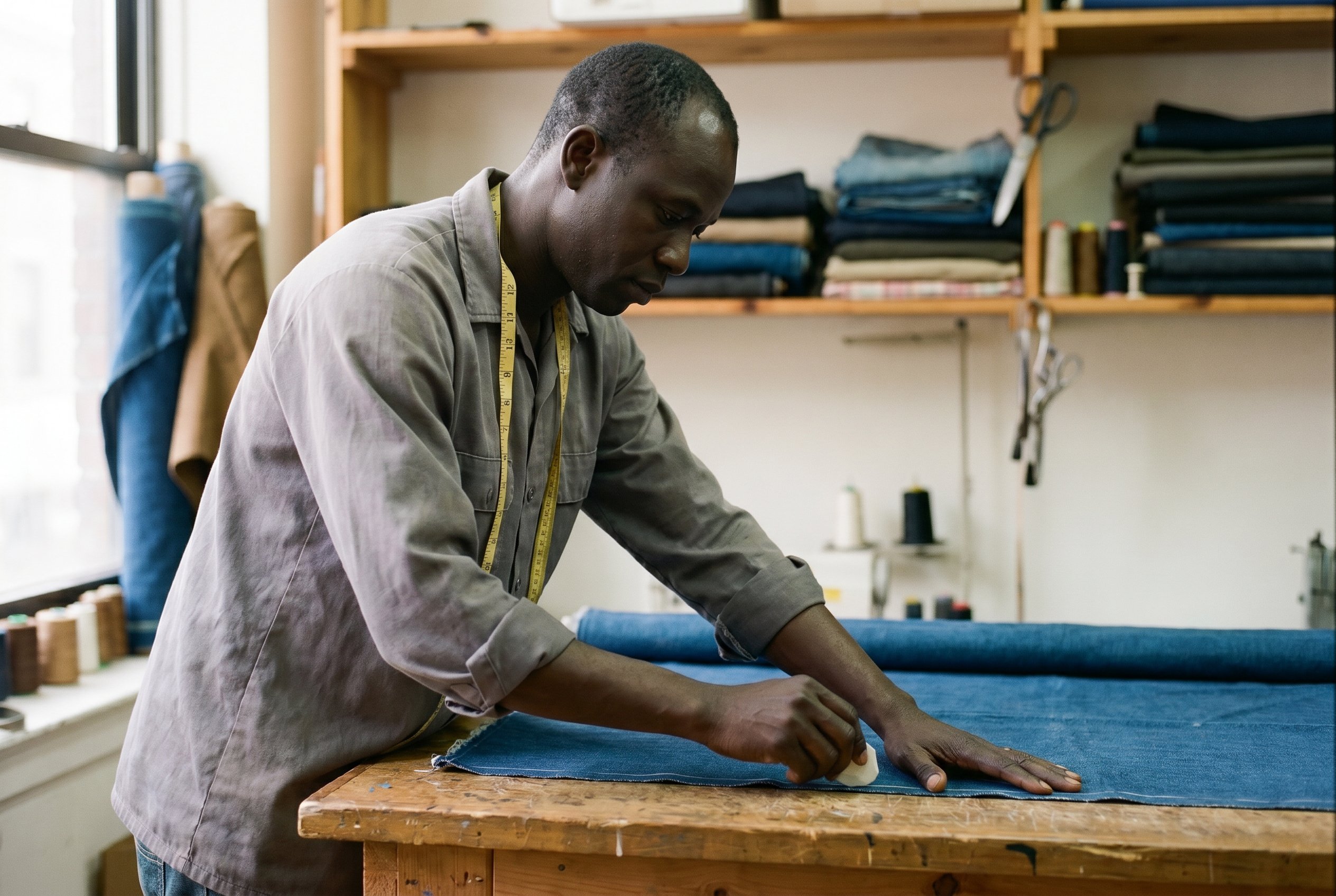
Shop-interior portrait at his cutting-table plus a doorway frame with bolt-of-fabric on the shoulder, plus a hands-detail close on the thumb-and-index callus. Subject-Lock setcard refs in 3 setups initially: shop doorway with bolt, cutting-table interior, hands-detail closeup.
Prompts
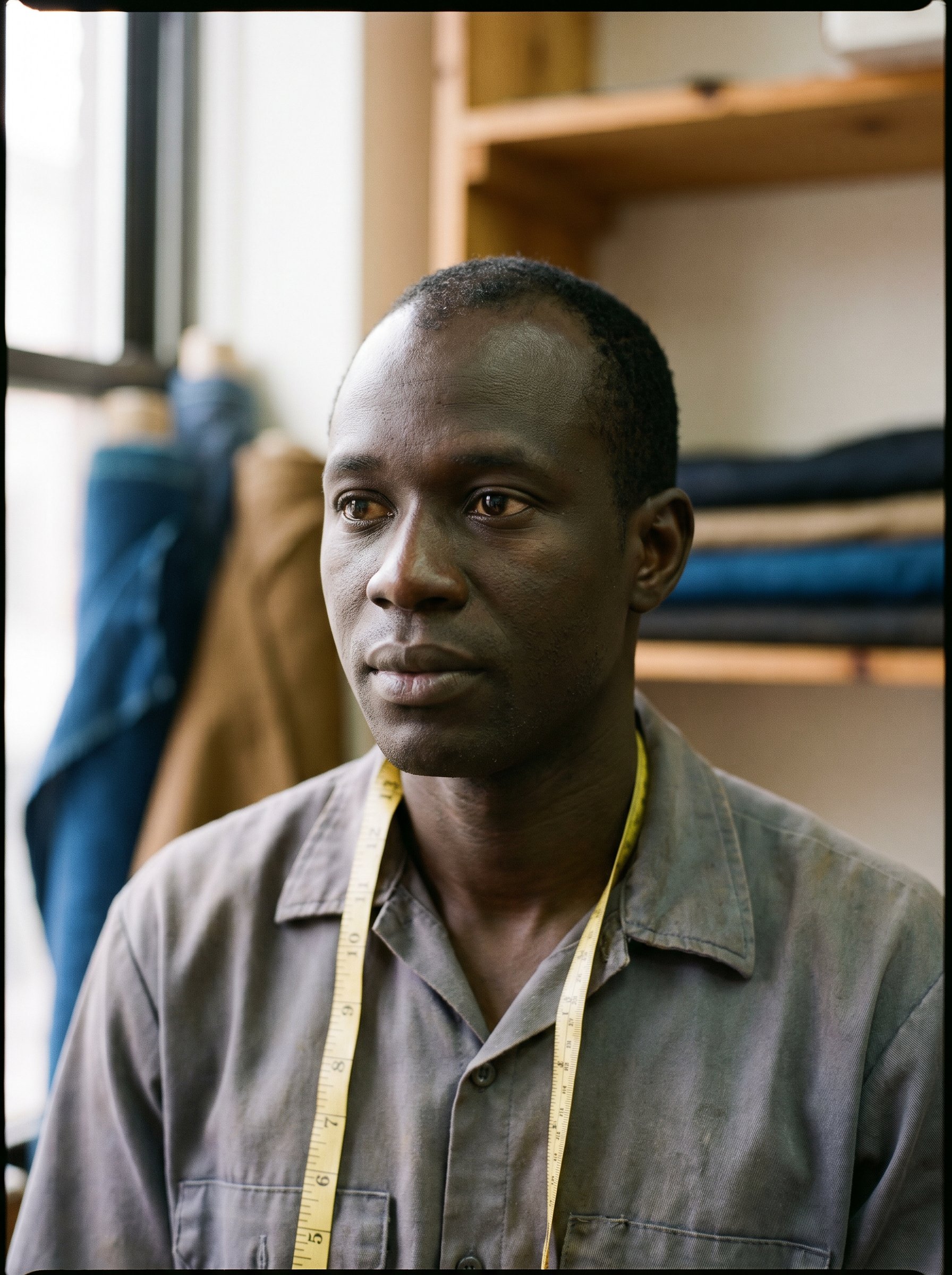
Bild 1 — closeup-portrait.jpg (model: nano-banana-pro 2K)
Documentary portrait close-up, mid-thirties Senegalese-American first-generation Wolof-speaking man, head and upper shoulders, three-quarter turn camera-left looking just past lens, high smooth forehead, deep-set dark brown eyes, neutral closed mouth, very short closely-cropped black hair receding slightly at temples, dark brown skin with cool undertone characteristic of West African Senegalese diaspora, light three-day stubble, narrow but strong jaw, plain dusty-grey collared work shirt collar visible at lower edge, soft cotton measuring tape draped around the neck just visible at frame edge, soft window light from camera-left, blurred warm tailor-shop interior background showing stacked bolts of fabric in indigo and earthen tones in soft bokeh, available natural light, medium-format film aesthetic Kodak Portra 400, 80mm equivalent compression, no smile, no logos, no jewelry, no visible readable text, no visible signage, calm focused craftsman presence, photographer style of Malick Sidibé documentary portrait combined with August Sander craft-tradition, no glamour retouching